
Enhancing Workforce Visibility and Efficiency through Biometric Scheduling
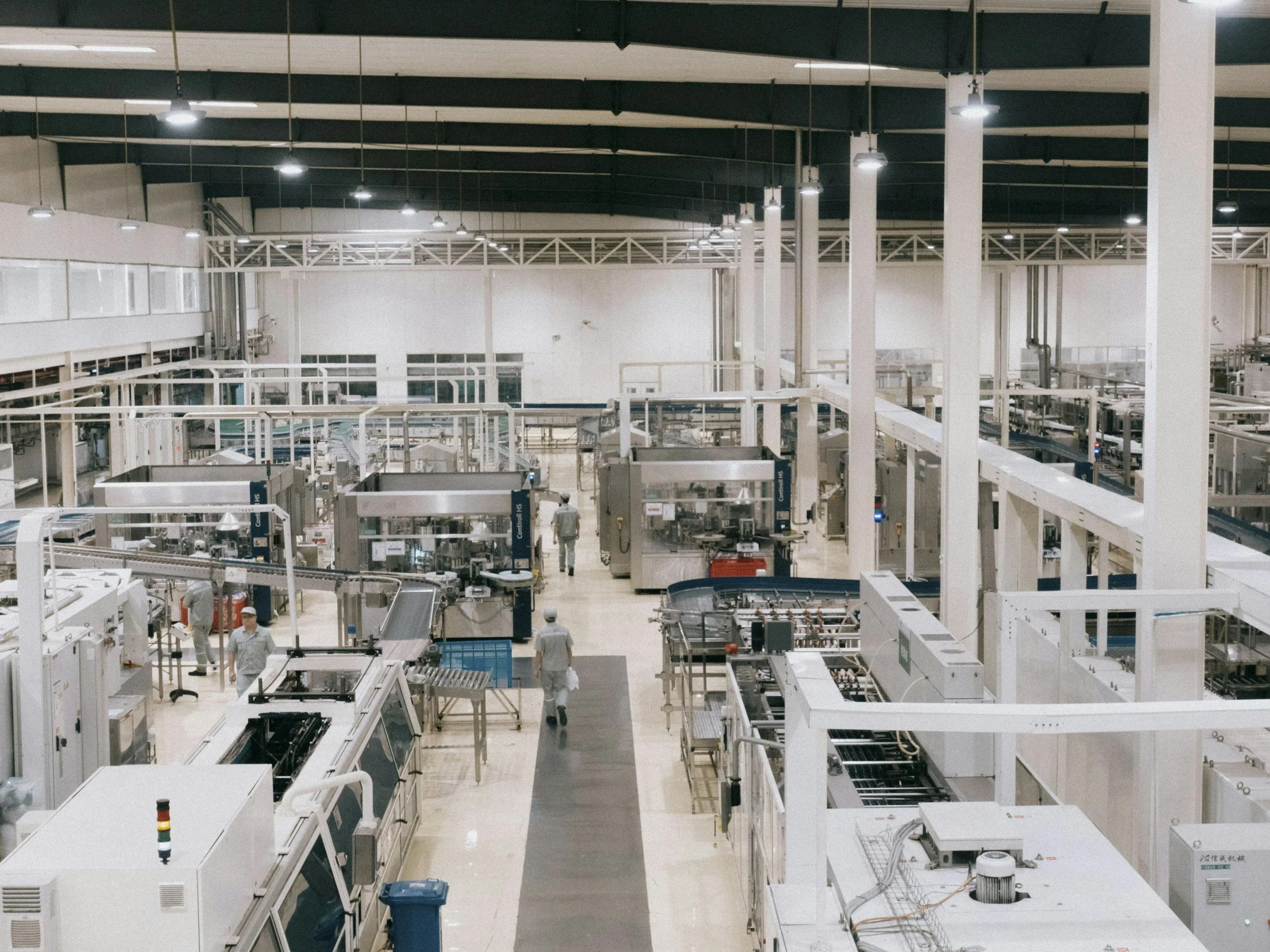
The client—a manufacturing organization in the automotive sector—faced significant challenges in workforce management due to manual and fragmented attendance tracking. Limited visibility into real-time employee allocation, combined with high administrative effort for payroll preparation, led to inefficiencies in identifying overtime, absenteeism, and labor imbalances.
As operations became more complex, the existing processes lacked scalability and hindered effective workforce planning and decision-making.
To address these challenges, we implemented a biometric time tracking–based employee scheduling solution, enabling real-time visibility and data-driven workforce optimization across production operations.
Our Approach
Workforce Data Capture and Standardization
Implemented a biometric time tracking solution to capture real-time attendance data with accurate employee identification.
Standardized attendance data collection across shifts and production lines.
Established a data foundation linking actual attendance with planned shifts and standard labor costs.
Real-Time Visibility and Analytics
Developed management dashboards to provide full visibility into workforce allocation across shifts, lines, and work areas.
Enabled tracking of staffing levels, attendance patterns, and alignment with production schedules.
Supported data-driven decision-making through structured workforce insights.
Operational Alignment and Optimization
Introduced mechanisms to reconcile actual attendance with shift plans, improving labor planning accuracy.
Enabled monitoring of staffing assignments to identify shortages, excess staffing, and bottlenecks.
Provided analytical capabilities to assess overtime, absenteeism, and labor distribution inefficiencies.
Key Issues Addressed
Manual, fragmented attendance tracking processes.
Lack of real-time visibility into workforce allocation.
High administrative workload for payroll and reconciliation.
Difficulty identifying overtime, absenteeism, and labor imbalances.
Limited scalability as workforce size and operational complexity increased.
Results
Improved accuracy of attendance data through biometric-based tracking.
Reduced manual effort and errors in attendance processing and payroll preparation.
Increased workforce accountability and transparency.
Ability to identify labor inefficiencies and bottlenecks in manufacturing operations.
Optimized shift scheduling and workforce allocation based on real-time data.
Enabled management to make data-driven decisions for continuous operational improvement.