
Turning Smart Factory Vision into a Clear Execution Roadmap
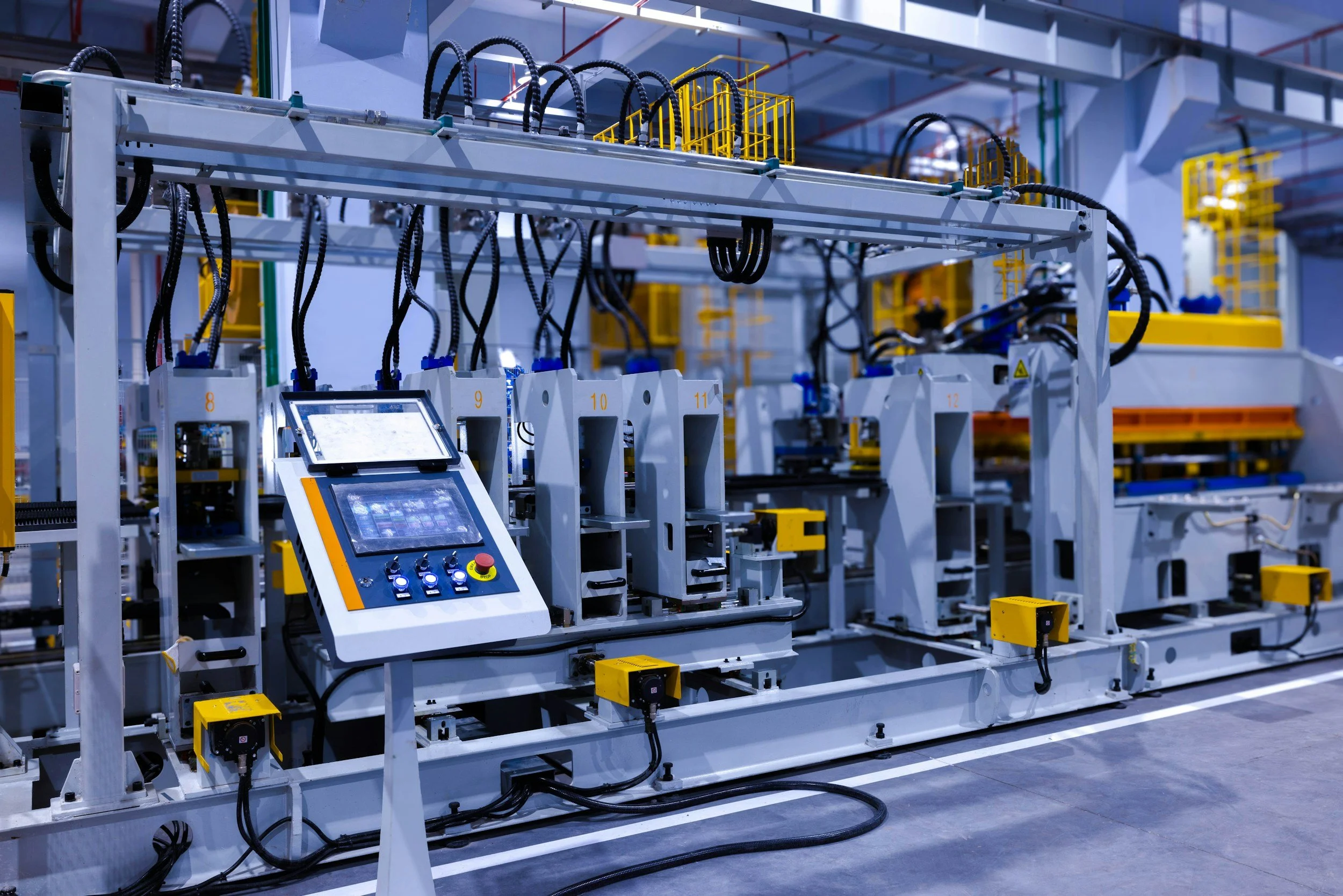
A Tier 1 automotive supplier initiated a major factory renewal program to support new product launches. This triggered the need to define what a “Smart Factory” means for the organization and how it can be practically realized.
The client faced challenges in aligning stakeholders, prioritizing initiatives, and translating the Smart Factory vision into a clear, actionable roadmap and implementation plan.
We supported the client as a trusted partner, delivering end-to-end Smart Factory transformation support—from vision definition through implementation planning and execution.
Our Approach
Ideation and Alignment (Vision Definition)
Conducted a 1-day Smart Factory ideation workshop involving key stakeholders.
Established a shared understanding of Smart Factory concepts and objectives.
Identified and prioritized key initiatives and use cases across:
Supply chain
Production
Engineering
Built organizational alignment and momentum through a bottom up engagement approach.
Realization Planning (Strategy to Roadmap)
Performed an as-is IT landscape assessment.
Conducted deep dives into strategic use cases aligned with business goals.
Developed a Smart Factory vision tailored to the client’s operational priorities.
Created a roadmap outlining timelines, dependencies, and implementation sequencing.
Implementation Enablement
Defined core implementation areas including:
Data platform development
Machine health monitoring
Production dashboards
Demand forecasting
Supported the transition from planning into execution by aligning stakeholders, resources, and delivery structure.
Positioned DX initiatives for scalable rollout across factory operations.
Key Issues Addressed
Lack of a clear, shared definition of Smart Factory objectives and value.
Difficulty aligning stakeholders across functions and organizational levels.
Limited visibility into current IT landscape and readiness.
Absence of a structured roadmap connecting vision to execution.
Challenges in prioritizing use cases and translating strategy into implementable initiatives.
Results
Achieved organizational alignment around a common Smart Factory vision.
Established a prioritized set of high-impact use cases and initiatives.
Delivered a structured, actionable Smart Factory roadmap from ideation to implementation.
Enabled smoother transition into execution with clearly defined data, analytics, and operational solutions.
Built a scalable foundation for ongoing digital transformation across manufacturing operations.